
December 23,2025
On a winter afternoon outside Denver, air traffic control heard something they had never heard before.
It wasn’t panic.
It wasn’t confusion
It wasn’t even human.
A calm, robotic female voice came over the radio, announcing that the pilot was incapacitated and that the aircraft would be landing on its own.
Controllers listened. Fire crews rolled. Runways cleared.
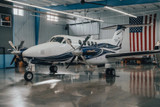
And a Beechcraft Super King Air 200 did something that, until now, belonged mostly to demonstrations and marketing videos: it flew itself all the way safely to the ground from 23,327 feet.
Silence in the Cockpit, Precision in the Sky
Just after 2 p.m. local time on December 20, the King Air lost communication with air traffic control while en route to Rocky Mountain Metropolitan Airport in Colorado. Soon after, the aircraft squawked 7700, signaling a general emergency.
What happened next was entirely automated.
Garmin’s Autoland system activated, possibly triggered by a pressurization issue based on a CBS report. The system immediately commanded an emergency descent to 15,000 feet. When no pilot intervention followed, Autoland took full control navigating, communicating, selecting a runway, and executing the landing sequence.
Air traffic control heard the system announce its intentions with clinical clarity. There was nothing to do but make room.
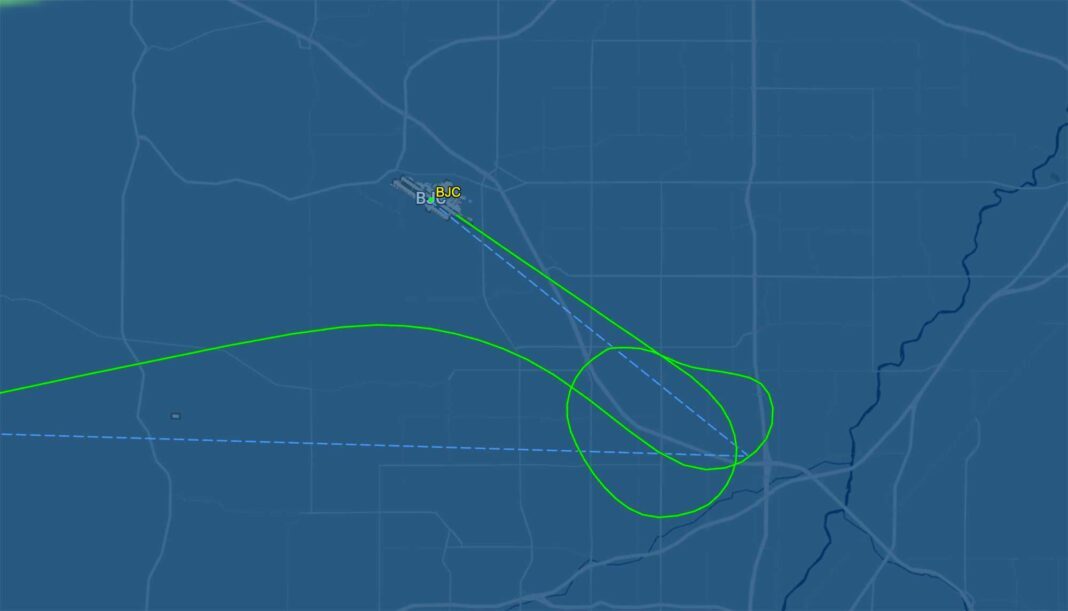
FlightAware
A Landing That Left Responders Guessing
The airport shut down. Emergency vehicles staged. Everyone waited for the moment when reality would catch up to expectation.
Instead, the aircraft touched down smoothly on Runway 30, rolled to a stop, and ended the emergency as quietly as it began.
No injuries.
No medical transports.
No visible damage.
Local fire crews were reportedly puzzled by the response they were asked to mount because there was nothing left to respond to.
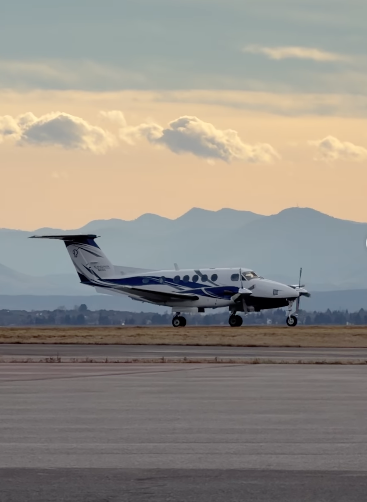
IG@adamlendi
A First That Will Be Remembered
Garmin later confirmed that this was the first real-world activation of its Autoland system that wasn’t a test or demonstration. The technology performed exactly as designed, under real conditions, with real stakes.
The FAA and NTSB are now gathering information, though details remain limited. The nature of the pilot’s incapacitation hasn’t been disclosed. Questions remain. Investigations will continue.
But outcomes matter.
An aircraft lost effective human control and still landed safely.
When the Future Stops Being Theoretical
Aviation has always advanced quietly, one system at a time. Most breakthroughs don’t announce themselves with fireworks. This one announced itself with a voice steady, artificial, and unflinching.
By Sunday morning, the aircraft was airborne again, headed to Oklahoma City, home to key FAA certification facilities. The moment had already passed, but its significance hadn’t.
Because on a Saturday afternoon in Colorado, an airplane didn’t wait for instructions.
It made a decision.
It took control.
And it proved that the future isn’t coming anymore.
It just landed.