

August 24, 2026
New Instructions for Continued Airworthiness provide an 8,000-hour TBO pathway for eligible King Air 200-series aircraft equipped with PT6A-52 and PT6A-61 engines.
For King Air 200-series owners and operators, engine time is much more than a number in a logbook. It can influence maintenance planning, aircraft availability, operating costs and long-term aircraft value.
Now, operators of eligible King Air 200-series aircraft have a significant new option to consider.
Holly Lepire, President of MORE Company, Inc., recently shared with King Air Nation that MORE has completed its Instructions for Continued Airworthiness (ICA) for the Pratt & Whitney PT6A-52 and PT6A-61 engines.
For the King Air community, the new ICA is particularly relevant to 200-series aircraft equipped with eligible PT6A-52 or PT6A-61 engines.
The program provides a pathway for qualifying engines to operate to an 8,000-hour TBO under MORE Company's condition-based inspection and monitoring requirements.
King Air Nation was also pleased to play a role in helping MORE Company during the technical writing process for this new program. Our involvement provided an opportunity to help communicate the program in a way that would be useful and understandable to King Air owners and operators.
Why This Matters to King Air 200-Series Operators
The PT6A has been at the heart of the King Air platform for decades, and major engine events represent some of the most significant maintenance decisions an owner or operator will face.
For operators of King Air 200-series aircraft equipped with eligible PT6A-52 or PT6A-61 engines, extending the period between overhauls could have a substantial impact on long-term maintenance planning, aircraft availability and operating costs.
MORE Company's program takes a condition-monitoring approach. Rather than focusing solely on accumulated engine hours, participating engines undergo scheduled inspections and continued monitoring designed to provide a detailed picture of engine health.
This includes oil analysis, oil filter debris analysis, vibration monitoring and other scheduled inspections throughout the program.
The objective isn't simply to operate an engine longer. The ICA establishes a structured program to continually evaluate and document engine condition as operating hours accumulate.
According to MORE Company, more than 100 engines are currently operating under its ICA programs.
An Important Distinction: ICA vs. STC
There is an important regulatory distinction for King Air operators considering the program.
The new program is based on Instructions for Continued Airworthiness and is not an STC carrying blanket FAA approval.
According to information provided by MORE Company, the FAA has reviewed the ICA and found it technically acceptable as the foundation for an engine inspection program. However, regulatory acceptance may still be required depending on the operator, type of operation and applicable airworthiness authority.
MORE Company has indicated that it is available to work with an operator's local airworthiness authority when questions arise regarding acceptance of the program.
The program is otherwise similar to MORE Company's established STC program, with one additional requirement: a secondary chip detector must be installed in the accessory gearbox if the engine is not already equipped with one.
What About Part 91 and Part 135 King Airs?
The program provides different pathways depending on the type of operation.
For Part 91 operators, one option is to complete the MORE ICA Initial Entry Inspection. According to MORE Company, this option does not require contacting the local FAA Flight Standards District Office (FSDO). Alternatively, the operator may contact the local FSDO and develop an Approved Inspection Program (AIP).
For Part 135 operators, the ICA may be added as a supplement to the operator's Operations Specifications (OpSpecs), or the operator may develop an Approved Aircraft Inspection Program (AAIP) for the aircraft.
Operators should work with MORE Company and their applicable regulatory authority to determine the appropriate pathway for their individual aircraft and operation.
How Does an Engine Enter the Program?
The process begins with enrollment in the applicable MORE ICA program.
Each ICA manual is specific to the individual engine serial number. Once enrolled, the engine undergoes an Initial Entry Inspection performed according to the requirements established in the ICA manual.
The required initial documentation is then submitted to MORE Company for review.
Following successful completion of the process, MORE provides the owner with a Compliance Letter granting permission to use the MORE Company ICA.
Once the engine has successfully completed the initial entry requirements and is accepted into the ICA program, the hot section becomes On-Condition. The engine can then be operated and maintained according to the inspection and monitoring requirements established by the program. Operators select an approved scheduled inspection interval that works best for their particular operation.
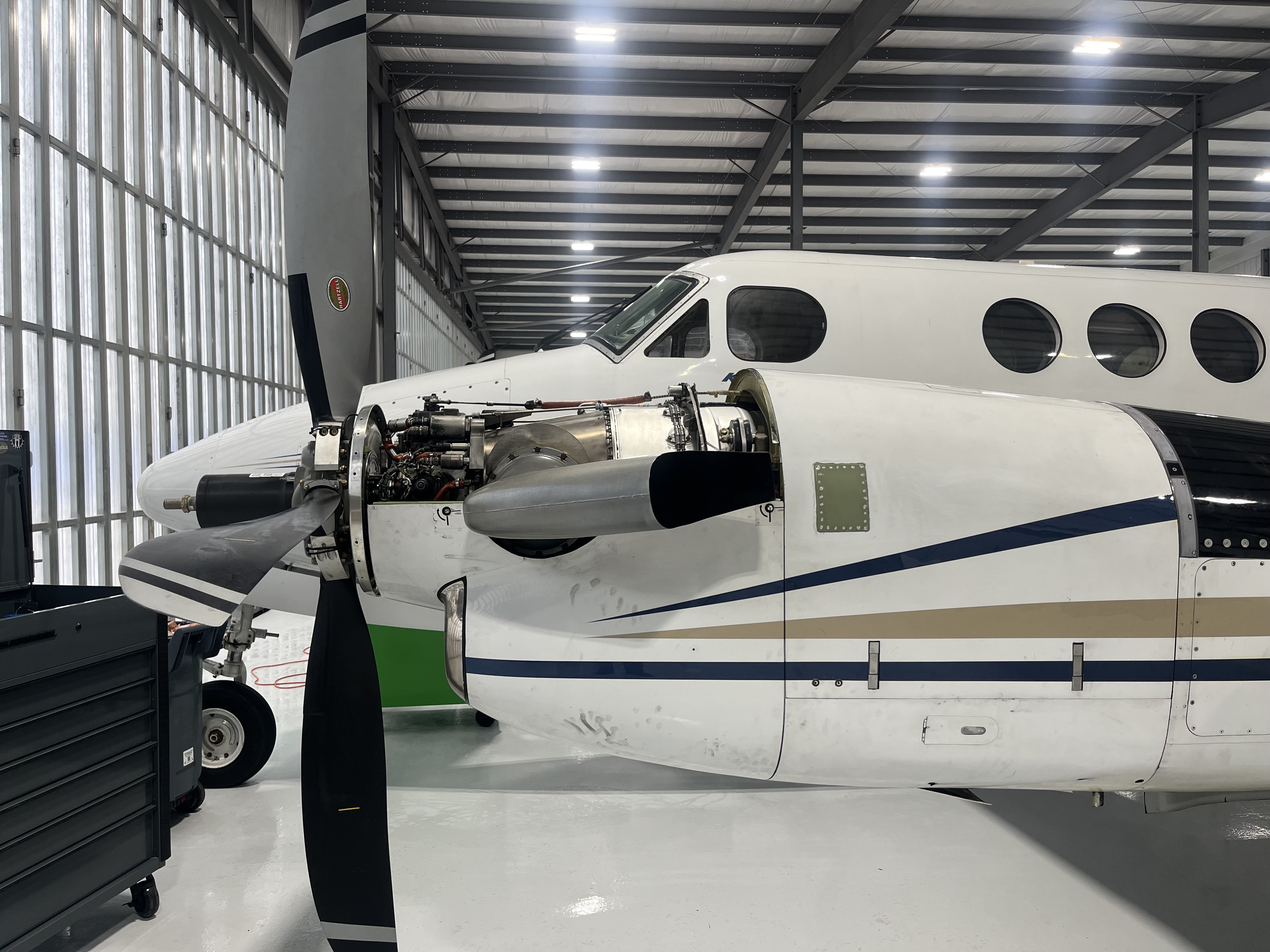
Photo: Dakota Wilmoth AP King Air Nation
Where Can the Inspections Be Performed?
King Air operators do not have to return the engine to MORE Company for every inspection.
According to MORE, any appropriately **FAA-approved maintenance facility or foreign equivalent** can perform the initial inspection and subsequent scheduled maintenance at the selected interval.
Most of the equipment required is equipment a qualified PT6A maintenance facility would ordinarily use.
The program also requires specialized oil analysis and oil filter debris analysis, along with engine vibration monitoring using approved equipment.
Approved Engine Vibration Analyzers include specified equipment from Chadwick Helmuth, DSS Microvib, Dynavibe and ACES.
Together, these inspections and analyses create an ongoing record of engine condition, providing operators and maintenance teams with considerably more information than accumulated operating hours alone.
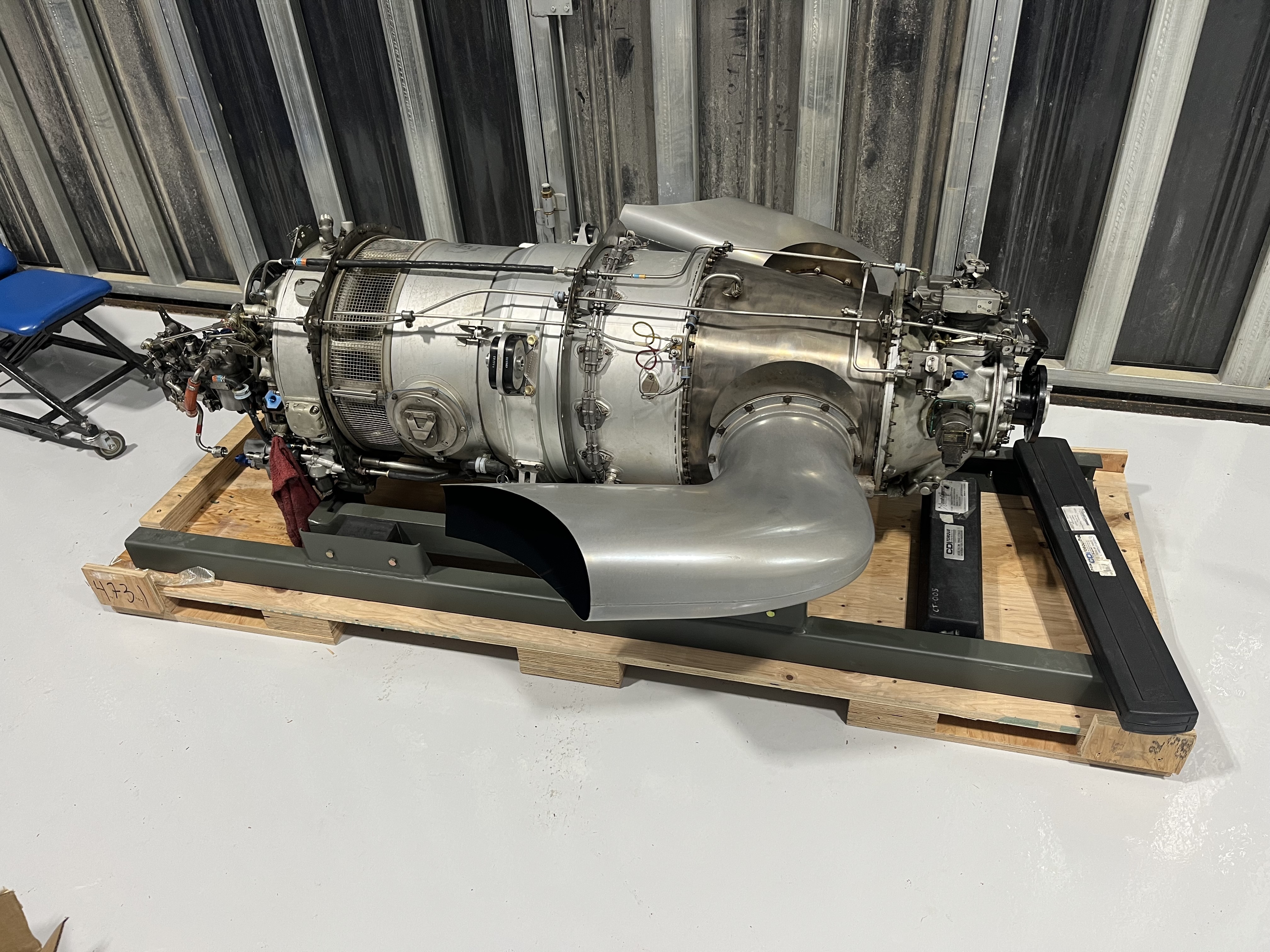
Photo: Dakota Wilmoth AP King Air Nation
What Could 8,000 Hours Mean for Your King Air?
Every aircraft, engine and operation is different.
Engine history, current condition, utilization, regulatory requirements and the owner's long-term plans for the aircraft all play a role in determining whether an extended TBO program makes sense.
But for qualifying King Air 200-series aircraft equipped with eligible PT6A-52 or PT6A-61 engines, the availability of an 8,000-hour TBO pathway introduces another option when approaching a major engine-life decision.
Instead of viewing an approaching overhaul interval as an automatic endpoint, operators may now have an alternative to evaluate, one built around continued inspection, analysis and documented engine condition.
For King Air 200-series owners planning the next chapter of their aircraft's operating life, this is a development worth watching closely.
Information regarding the new ICA program was provided to King Air Nation by Tom Welch, PT6A Specialist with MORE Company, Inc.